Framework decisions with context
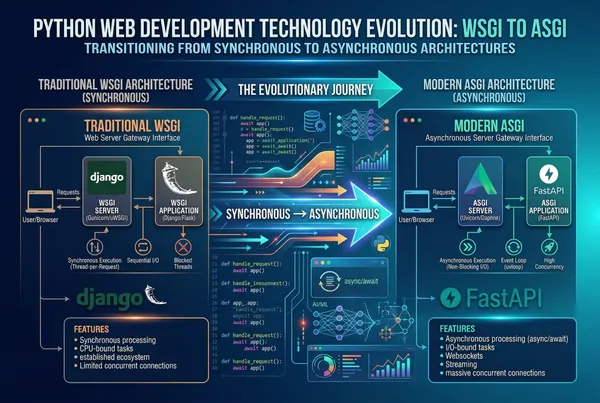
Compare FastAPI, Django, Flask, and adjacent tooling with production trade-offs, migration advice, and implementation details you can use immediately.
Browse web development guidesExplore hands-on Python tutorials, framework comparisons, automation workflows, data science playbooks, and machine learning implementation guides for modern teams.
A focused editorial hub for Python builders, not generic content farms
Compare FastAPI, Django, Flask, and adjacent tooling with production trade-offs, migration advice, and implementation details you can use immediately.
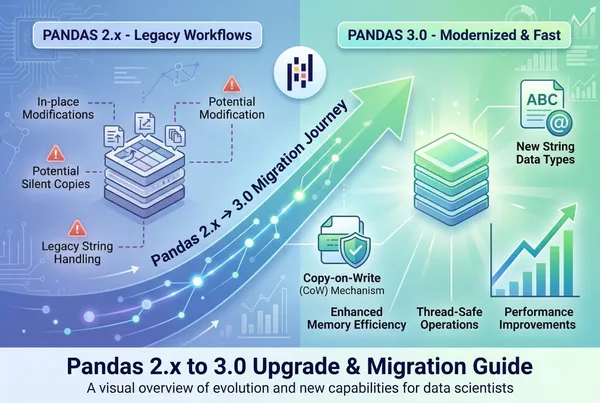
Browse web development guidesGo beyond notebook demos with practical coverage of Pandas, Polars, visualization stacks, preprocessing, and deployment-ready data pipelines.
Explore data science articlesLearn how Python powers orchestration, AI workflow automation, model serving, and machine learning systems that need to survive real workloads.
See automation tutorialsOur most recommended content
Stay up to date with tech

SecurityOnline dated IBM's 25-CVE Langflow bulletin Oct 6. Two unauthenticated RCEs score 9.8. Affected 1.0.0 through 1.12.2. No workaround. pip show is the patch.
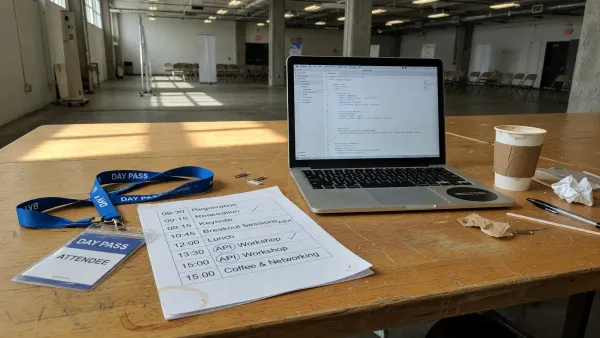
The first official FastAPI conference is October 28 at Amsterdam's Transformatorhuis. Colvin, Ramírez, and the Starlette maintainer are on the site. The after-party page went up this week.

PEP 790 wanted October 1. Lazy-import blockers forced rc3 on October 2. Docs for 3.15.0 were on the host by October 10. Build the wheel.

DataCamp’s Oct 6 explainer puts TabPFN, TabICLv2, and TabFM on small random-split tables. An Oct 5 arXiv paper says activation alignment beats full-data XGBoost on 38 TabArena tasks. Your grouped split is the veto.
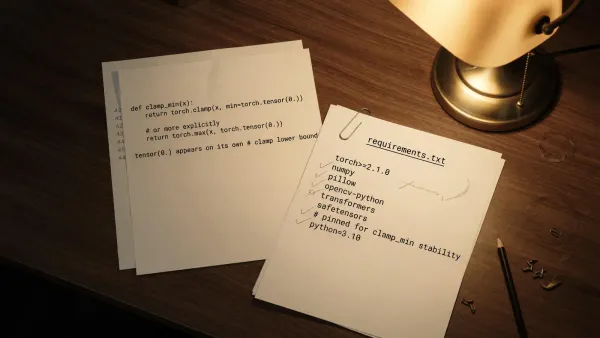
Real Python's Oct 5 digest: clamp at the bound now backprops 0, not 1. vLLM 0.29 defaults to Model Runner V2. Transformers 5.16 replaced the tensor-parallel API.
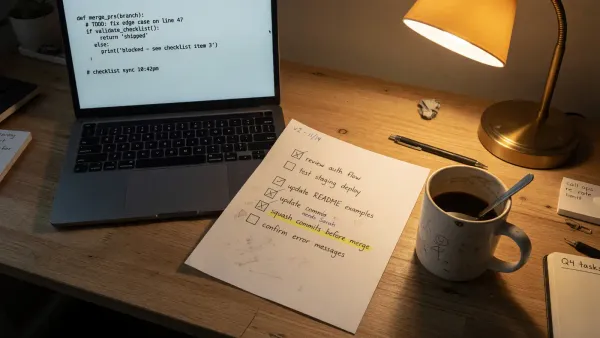
Sarah Boyce's Oct 6 releases patch language-code DoS, header parsing, GIS bytes that phone home, and edit-only formsets with settable primary keys. BigAutoField was already fine.

Reddit told mods RSS dies 13 November because of AI scraping. Non-mod feeds have no replacement. Public API intake freezes 31 October. Python cron jobs need a calendar.
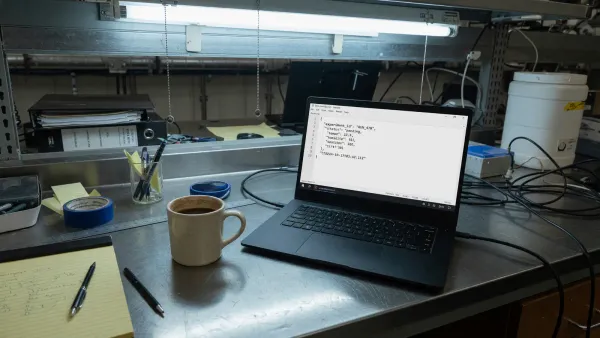
Pillar showed Unsloth Studio executing Hugging Face Python on a metadata check. Version 2026.6.9 closed it. trust_remote_code=True is still in other pipelines.
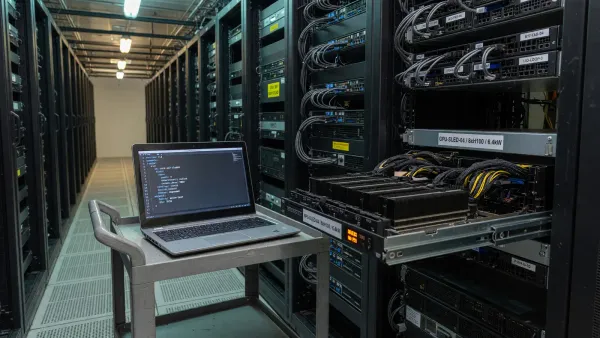
AMD enabled verl 0.9.0 on ROCm 10.0 with vLLM 0.27.0 in Docker. PlatformROCm is in-tree. Soup still fine-tunes 8B from YAML on 4GB.
Browse by topic
Django, Flask, FastAPI and other frameworks
NumPy, Pandas, data analysis and visualization
TensorFlow, PyTorch, deep learning applications
Scripting, task automation, tool development
Code standards, performance optimization, design patterns